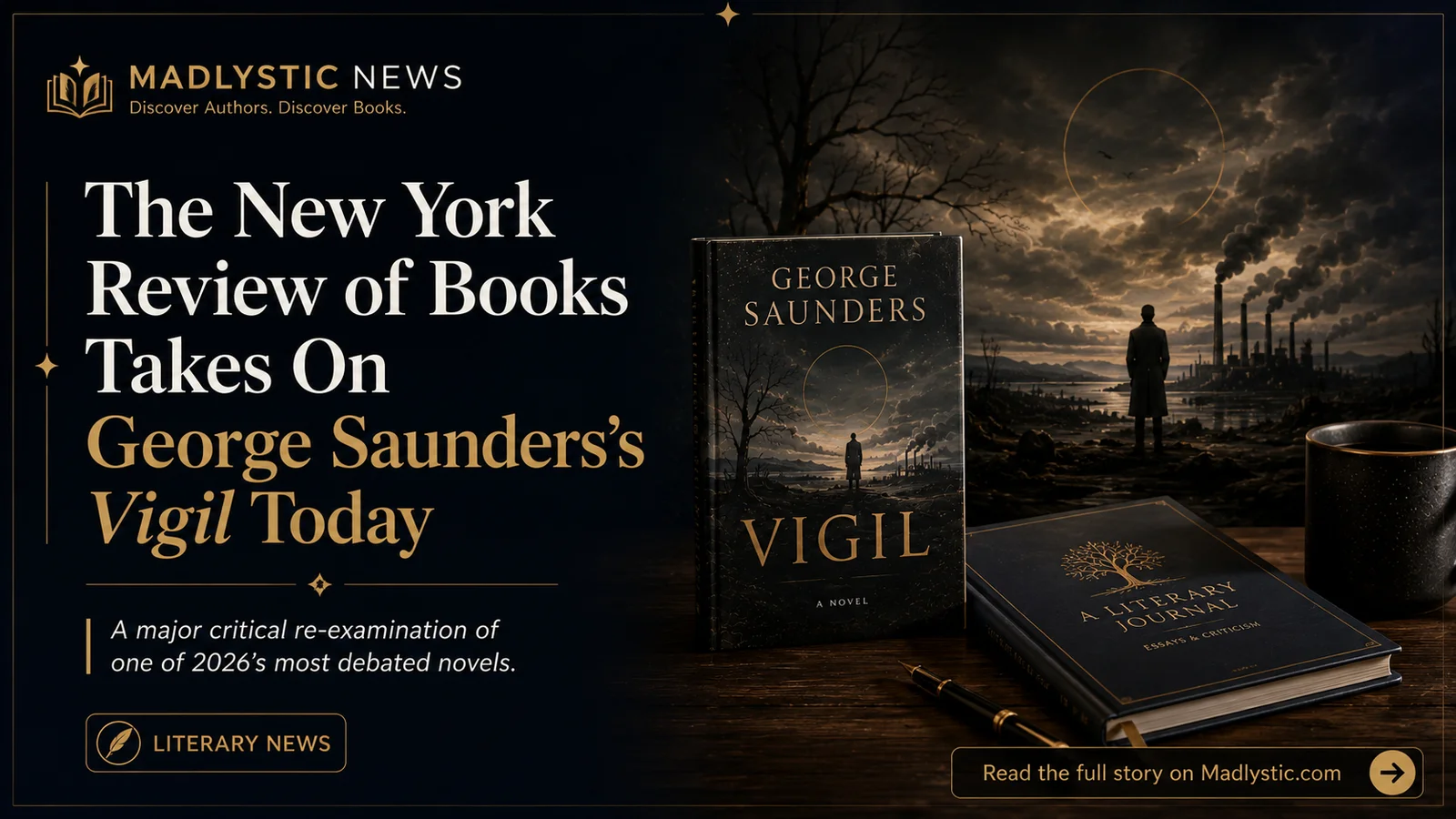
The New York Review of Books Takes On George Saunders's Vigil Today
Six months after publication, George Saunders's climate-themed novel Vigil is getting a major critical reckoning today in The New York Review of Books — reopening the conversation around one of 2026's most divisive literary releases.
Published July 23, 2026
2 min read
George Saunders's Vigil, published back in January, is getting fresh critical attention today: The New York Review of Books has published a new essay by Gabriel Winslow-Yost examining the novel as Saunders's attempt at a genuine climate change novel — describing it as a return to the theme of his acclaimed debut, Lincoln in the Bardo, except this time the grief being mourned isn't a person, but a planet.
Vigil returns to what fans have nicknamed the "Bardoverse" — the same purgatorial afterlife logic that powered Lincoln in the Bardo, Saunders's Booker Prize-winning 2017 debut novel. This time, the story centers on K. J. Boone, a dying oil executive and prominent climate change denier, visited in his final hours by Jill "Doll" Blaine, a spirit tasked with guiding the dying into the afterlife. In a statement accompanying the book's release, Saunders described being drawn to the specific question of whether a lifelong denier, faced with death, might feel moved toward repentance — and whether he'd even be capable of it.
The novel has proven genuinely divisive since its release. NPR's Scott Detrow interviewed Saunders about direct parallels to Dickens's A Christmas Carol, and The New Republic examined the book's engagement with real internal oil industry warnings about climate catastrophe dating back to the 1970s. Reader reception has split more sharply than his previous work: some reviewers have praised its moral seriousness, while others have pushed back on what they describe as an overly simplified villain and an uncomfortably forgiving final message about redemption.
For readers who loved Lincoln in the Bardo, today's NYRB essay is a substantive, serious re-engagement with a book that's continued generating debate half a year after its release — a reminder that a single review at launch rarely closes the conversation on a novel this ambitious.
Share this article
Share this with readers who'll want to know.
You may also like

The 2026 Booker Prize Longlist Is Here — All 13 Books
July 29, 2026
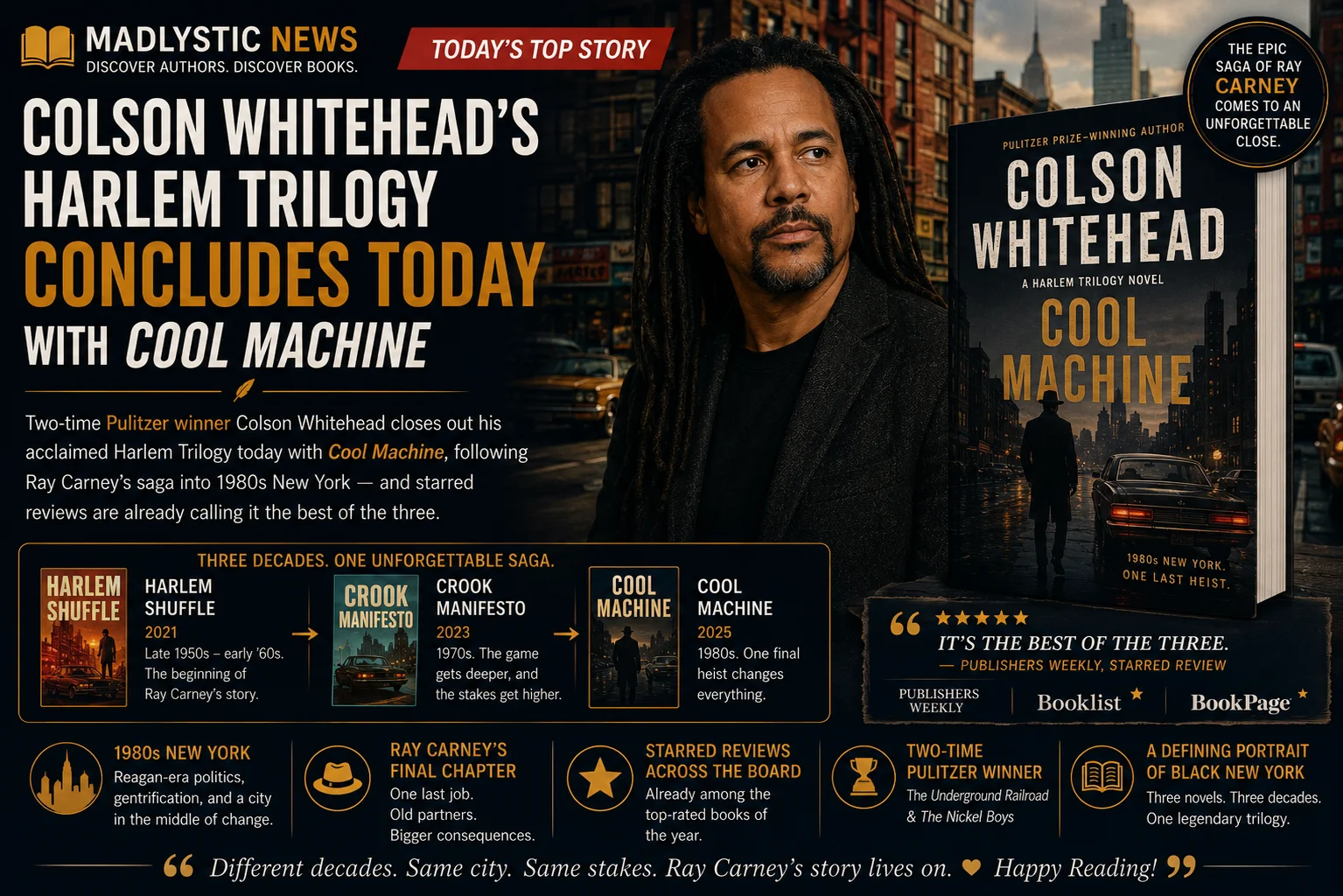
Colson Whitehead's Harlem Trilogy Concludes Today With Cool Machine
July 21, 2026

How to Get Book Reviews on Amazon Without Breaking Rules
November 17, 2026

What ARCs Actually Are (And Why 500,000 People Compete for Free Books)
August 3, 2026