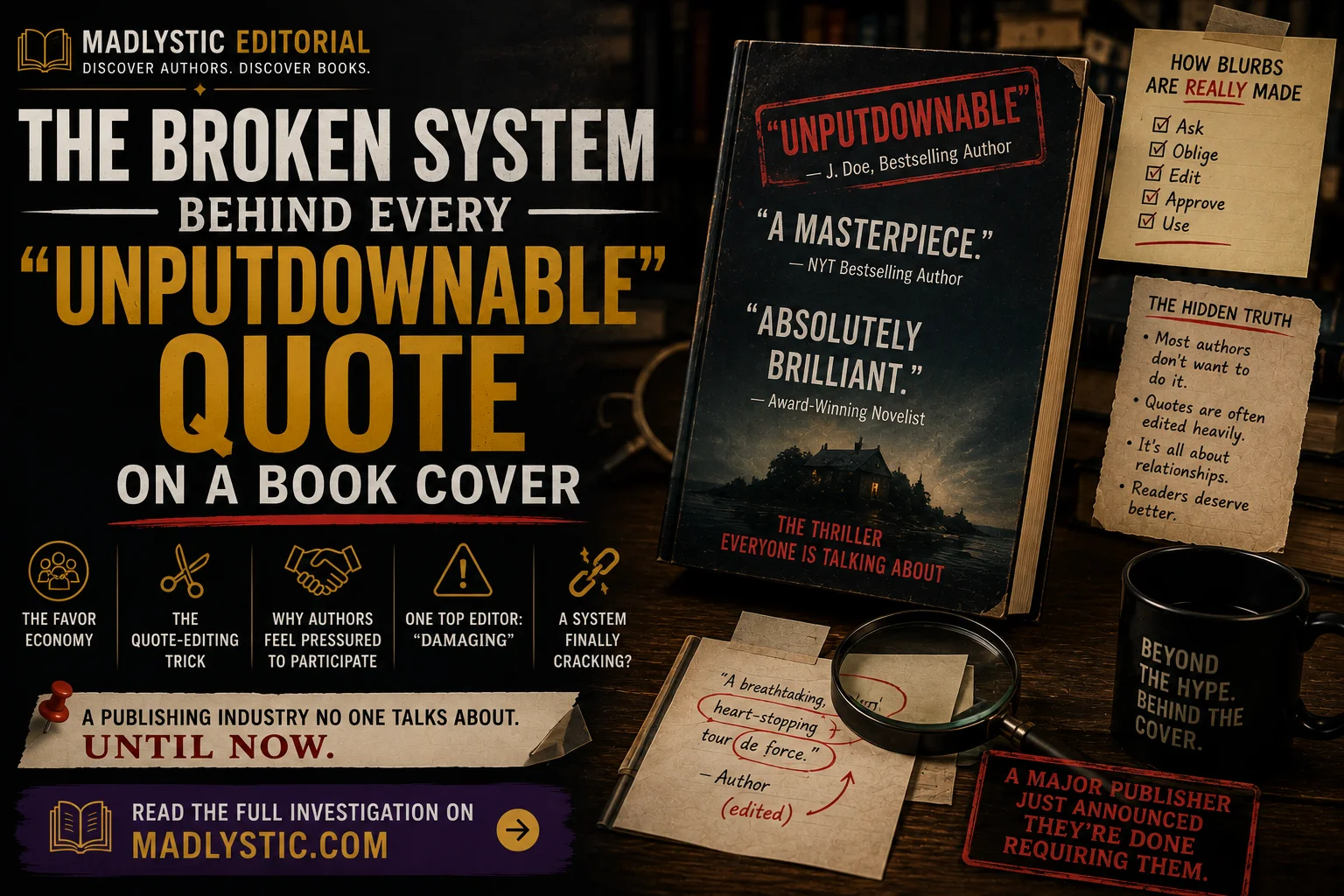
The Broken System Behind Every "Unputdownable" Quote on a Book Cover
A major publisher just announced it's done requiring them. Here's how book blurbs actually get made — the favor economy behind them, the quote-editing trick almost nobody notices, and why one top editor called the whole system "damaging."
Published August 3, 2026
9 min read
Quote of the Day
"I believe the insistence on blurbs has become incredibly damaging to what should be our industry's ultimate goal: producing books of the highest possible quality." — Sean Manning, publisher at Simon & Schuster
Pick up almost any traditionally published book and you'll find them: a scattering of breathless single words on the cover — luminous, unputdownable, a triumph — or a longer quote on the back, always from another author, always glowing. Most readers absorb these without a second thought, the same way you'd absorb a nutrition label. Almost nobody has actually had the underlying system explained — and in February 2025, that system became the center of a real, public industry controversy after one of publishing's own top editors publicly called it "damaging."
How the actual process works, step by step
The mechanism is straightforward, if genuinely labor-intensive. While a book is still moving through copy-editing, an author, their editor, and often their agent will identify a wishlist of established authors whose names might lend the book credibility, then send out advance digital or physical proof copies asking for a blurb — a short, positive endorsement to use on the cover and in promotional material. This happens well before publication, deliberately, since the whole point is having the quote ready by the time the finished book actually goes to print.
The honest reality, described plainly by more than one industry voice, is that this is a genuine numbers game with a low success rate: the overwhelming majority of blurb requests get declined or simply go unanswered, whether from being too busy, general reluctance to blurb, or simply never getting around to it. One author candidly described being turned down "several times" in the course of securing blurbs for a single book — treating rejection as an ordinary, expected part of the process rather than a personal failure.
The uncomfortable part: it runs on connections, not just quality
Here's the piece of the system that's genuinely drawn criticism, rather than just being an accepted quirk of the industry: securing a strong roster of blurbs often has less to do with a book's actual merit than with who the author already knows. One industry voice put it directly — a packed page of impressive blurbs frequently reflects which MFA program or elite writing conference an author attended, or which other writers share their publisher's roster, rather than a genuine, independent assessment of whether the book is actually good. This has led some critics to describe the entire system as functioning like a favor economy, one that quietly rewards existing industry connections over first-time or less-networked authors who may have written an equally strong book but simply don't know anyone famous enough to ask.
The moment this became a real, public fight
In early 2025, Sean Manning, a top editor at Simon & Schuster, made the controversy impossible to ignore by publicly announcing the publisher would stop requiring authors to hunt down blurbs — a practice he described as having been, in his own words, "tacitly expected" throughout his eight years at the company. His stated reasoning went beyond simple time-wasting: he argued the blurb system actively encourages what he called an "incestuous and unmeritocratic literary ecosystem," one that rewards connections over the actual quality of the writing — directly undercutting what he framed as publishing's supposed ultimate goal of producing the best possible books.
The announcement immediately split opinion across the industry. Some authors and editors welcomed it as overdue relief from an exhausting, often demoralizing ritual. Others pushed back, arguing blurbs still serve a real function — helping professional buyers, booksellers, and reviewers wade through the sheer volume of new titles published every year, even if their actual influence on ordinary readers' purchasing decisions has never been rigorously studied or proven.
The detail almost nobody notices: quotes get edited down
Here's a genuinely under-discussed mechanic worth knowing: the quote that ends up on a cover isn't always exactly what the blurber wrote. One documented example lays this out plainly — an author submitted a genuine, detailed blurb calling a book "a timely, necessary book" as part of a longer, more specific sentence of praise. What the publisher actually printed on the cover was simply: "A timely, necessary book." Technically accurate, technically still the blurber's own words — but stripped of its original context and condensed into something punchier and more universally applicable than what was actually written. This isn't fabrication exactly, but it's a real and common editorial practice worth knowing about the next time a single glowing word or short phrase appears on a cover: it may well be a fragment carved out of a longer, more nuanced original.
Why the fight over blurbs is really a fight about something bigger
One writer covering this controversy put it in a way worth sitting with directly: blurbs, on their surface, seem like a fairly innocuous piece of cover design — but they function as a small, visible symptom of something much larger and more structurally uncomfortable within traditional publishing. The blurb system, in this reading, isn't really the problem itself; it's simply the most visible place where publishing's deeper reliance on existing networks and connections becomes impossible to ignore, printed right there on the cover for anyone paying attention to notice.
What this means for readers, practically
None of this means every blurb on every book is hollow or purchased through pure connection — plenty of blurbers genuinely read the books they endorse and mean exactly what they wrote, condensed or not. But it's worth holding a blurb with slightly more skepticism than a genuinely independent review: it was solicited by the author's own team, from someone they specifically chose to ask, and edited by a publisher's marketing department into whatever fragment reads best on a cover. A blurb is closer to a hand-picked, favorable character reference than an unprompted, disinterested opinion — useful information, but a fundamentally different kind of signal than an ordinary reader's honest, unsolicited review.
Conclusion
The next time a cover promises you something is "unputdownable" or "a triumph," it's worth remembering the actual, unglamorous machinery behind that single word: a nervous email from a debut author to someone they barely know, a long wait for a response that often never comes, and — if a "yes" does arrive — a publisher's marketing team quietly trimming the response down to its most quotable fragment. It's not a scam, exactly, and plenty of blurbs genuinely reflect real enthusiasm. But it's a system built more on relationships and favors than most readers realize, and one that publishing's own top editors have now begun, publicly, to question.
Share this article
Share this article with readers who'll want to read it.
You may also like
How the New York Times Bestseller List Really Works
November 9, 2026
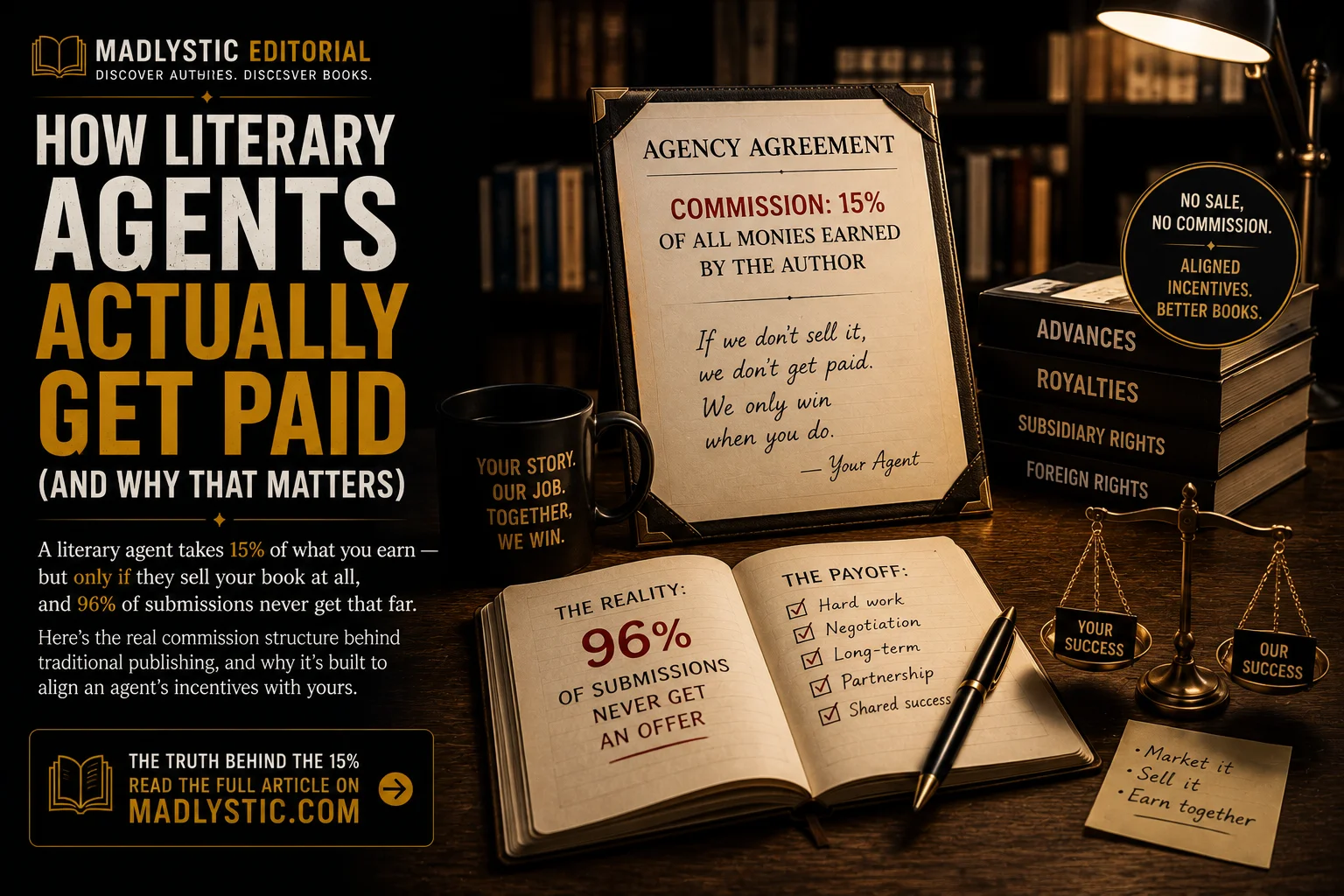
How Literary Agents Actually Get Paid (And Why That Matters)
August 3, 2026
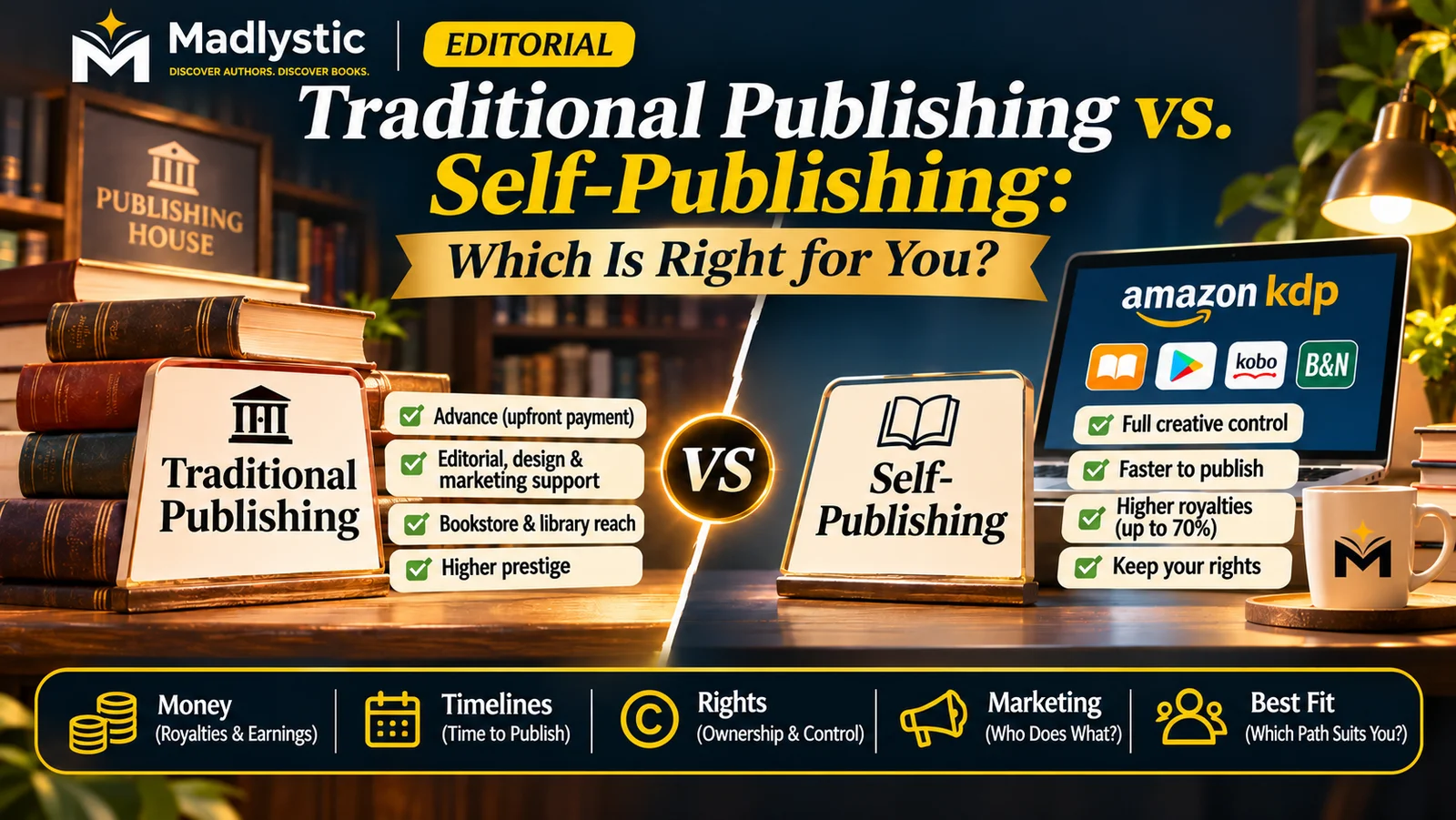
Traditional Publishing vs. Self-Publishing: Which Is Right for You?
November 24, 2026
How to Choose Amazon KDP Keywords and Categories
November 20, 2026