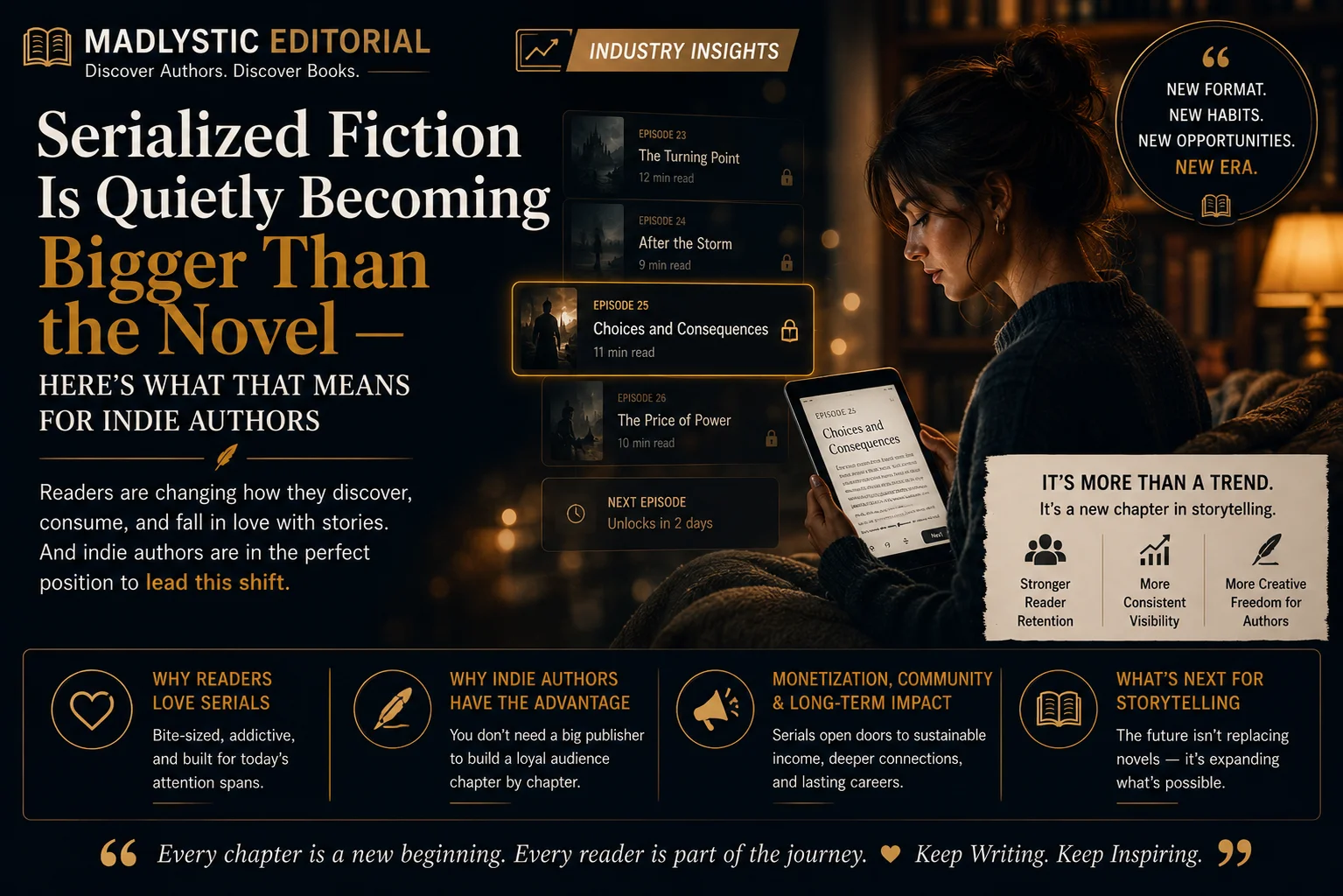
Serialized Fiction Is Quietly Becoming Bigger Than the Novel — Here's What That Means for Indie Authors
A $3.7 billion market, 200 million monthly readers, and revenue that's already overtaken traditional publishing in parts of Asia. Serialized fiction isn't a nostalgia trend — it's quietly becoming the dominant way people read. Here's what indie authors need to understand before it fully arrives.
Published July 21, 2026
11 min read
Quote of the Day
"Writing a novel is like driving a car at night." — a line frequently cited in serialized-fiction circles, describing how a chapter-by-chapter release lets a writer see only as far as the next installment, and readers travel that same road in real time alongside them.
Charles Dickens published The Pickwick Papers in monthly installments in 1836, and readers lined up at the docks in New York to find out whether Little Nell survived, before the ship carrying the next chapter had even arrived. That format — a story that unfolds gradually, in public, with readers reacting in real time — nearly vanished for most of the twentieth century, replaced by the complete, bound novel as the default unit of fiction. It's back now, at a scale that's easy to underestimate if you're not looking at the actual numbers, and it's reshaping what "publishing a book" even means for an indie author entering the space today.
The numbers most authors haven't seen yet
The global web fiction market was valued at roughly $3.7 billion in 2025 and is projected to nearly double, reaching $8.2 billion by 2030. Platforms built specifically around serialized, chapter-by-chapter fiction — Webnovel, Wattpad, Royal Road among them — collectively serve over 200 million monthly readers. In parts of Asia specifically, serialized fiction already generates more revenue than traditional book publishing outright, not as an emerging challenger but as the established, dominant format.
To put a single platform's scale in perspective: Webnovel alone drew over 99 million visits in a single month in early 2026, with readers spending an average of over fourteen minutes per session — not skimming a landing page, but genuinely settling in to read multiple chapters in one sitting. That's not casual browsing behavior. That's the same kind of sustained engagement a streaming platform measures success by, applied to reading.
Why this format is resurfacing now, specifically
The honest answer is that serialized fiction was never actually a bad format — it just needed the right delivery mechanism, which mobile reading finally provided. A complete 400-page novel is a real commitment to start cold, especially on a phone. A free first chapter, with the next one available tomorrow, is a dramatically smaller ask — and it mirrors exactly the consumption pattern people have already been trained into by short-form video and episodic streaming. Commit to thirty seconds, then decide whether to commit to more. Serialized fiction platforms are, structurally, applying that same low-commitment-to-high-engagement pipeline to prose.
There's also a real economic engine underneath this, not just a format preference. Multiple platforms in this space are increasingly monetizing beyond the reading itself — adapting proven, already-successful serials directly into short-form vertical video dramas, a pipeline that turns a text serial's built-in cliffhanger structure into ready-made video content. One major platform's parent company launched over 120 short dramas in a single year, drawing tens of billions of views, sourced directly from its existing web-novel catalog. The serialized chapter and the addictive short-form video episode, it turns out, are built on the identical narrative mechanic — the cliffhanger — which is precisely why the adaptation pipeline between them works so smoothly.
A necessary note of caution: this space has real casualties, not just winners
It would be dishonest to describe this trend as pure upside, and any indie author considering it deserves the full picture. Several serialized fiction platforms have shut down entirely in the past two years — Amazon closed Kindle Vella in February 2025, Kakao shut down Radish at the end of 2025 (four years after acquiring it for roughly $440 million), and WEBTOON closed its prose app Yonder shortly after. The pattern among the platforms that survived versus the ones that didn't is instructive: apps that only sold reading access have struggled, while the platforms monetizing beyond reading — through adaptation deals, tipping, subscriptions, and cross-media licensing — are the ones still growing. A platform's own business model, not just its reader numbers, is now a real factor in whether it's a safe place to build a serialized audience long-term.
What this actually means for an indie author right now
This isn't really a call to abandon traditional book publishing for a chapter-a-week model overnight. It's a genuinely new distribution channel worth understanding on its own terms, with its own distinct rules:
The hook has to work in one line. Platforms in this space consistently reward stories where a reader can identify the core premise instantly — an overpowered protagonist, a revenge arc, a forbidden romance, a system-progression fantasy. This isn't a knock against literary ambition; it's simply a different medium with a different entry requirement, the same way a screenplay's structure differs from a novel's even when telling a similar story.
Cadence matters more than most authors expect. Serialized readers build a habit around a story the way they build a habit around a weekly show. Missing updates, or releasing wildly inconsistent chapter lengths, breaks that habit faster than a comparable gap would in traditional publishing, where a reader isn't actively waiting for next Tuesday's installment.
Contracts deserve real scrutiny before signing. Some platforms operate on full rights retention, letting an author keep everything. Others require exclusivity during active serialization, which is a reasonable, standard trade-off. A smaller number acquire full rights permanently in exchange for upfront support — a much bigger decision than it might first appear, especially if the story later attracts interest for a traditional book deal or screen adaptation. Reading the actual rights terms, not just the payout structure, is the single most important diligence step before committing a story to any of these platforms.
This is a genuine second channel, not a replacement. An author who's already built a novel doesn't need to choose between traditional publishing and serialization — plenty of successful serialized properties are novels being tested in public, chapter by chapter, before or alongside a bound edition. The two formats can coexist for the same story, aimed at different readers who prefer different consumption patterns.
Why discovery infrastructure matters even more in this format
Serialized fiction actually raises the discovery stakes higher than traditional publishing, not lower — because a reader's decision to start isn't "should I buy this book," it's "should I start something that expects an ongoing commitment from me." That's a bigger ask per data point, made with less information (a first chapter instead of a full sample), which makes trust signals — a real author profile, a consistent track record, genuine reader engagement — even more load-bearing than they are for a single standalone novel purchase.
This is also where a platform like Madlystic's structure — consistent author profiles, a real catalog history, genre and format tagging — becomes directly relevant to a format most readers currently discover through algorithm-driven platform feeds alone. As serialized fiction grows into a mainstream reading habit rather than a niche one, the same underlying discovery problem this blog keeps returning to — helping a reader find a story worth committing to, before an algorithm has any signal to work with — applies here with, if anything, higher stakes than it does for a single completed novel.
Conclusion
Dickens didn't invent serialized fiction so much as prove it was the natural shape stories take when an audience can react in real time. What's changed since 1836 isn't the underlying appeal — it's the delivery mechanism, now perfectly matched to how people already read everything else on their phones. The market numbers here aren't speculative hype; they're already real, already large, and still growing. For an indie author, the honest takeaway isn't "abandon the novel for chapters" — it's that a second, genuinely viable distribution channel now exists, with its own rules, its own risks, and its own reward structure, and understanding it now, before it's fully mainstream in English-language markets the way it already is in Asia, is a real competitive advantage rather than a trend to catch up on later.
Share this article
Share this article with readers who'll want to read it.
You may also like
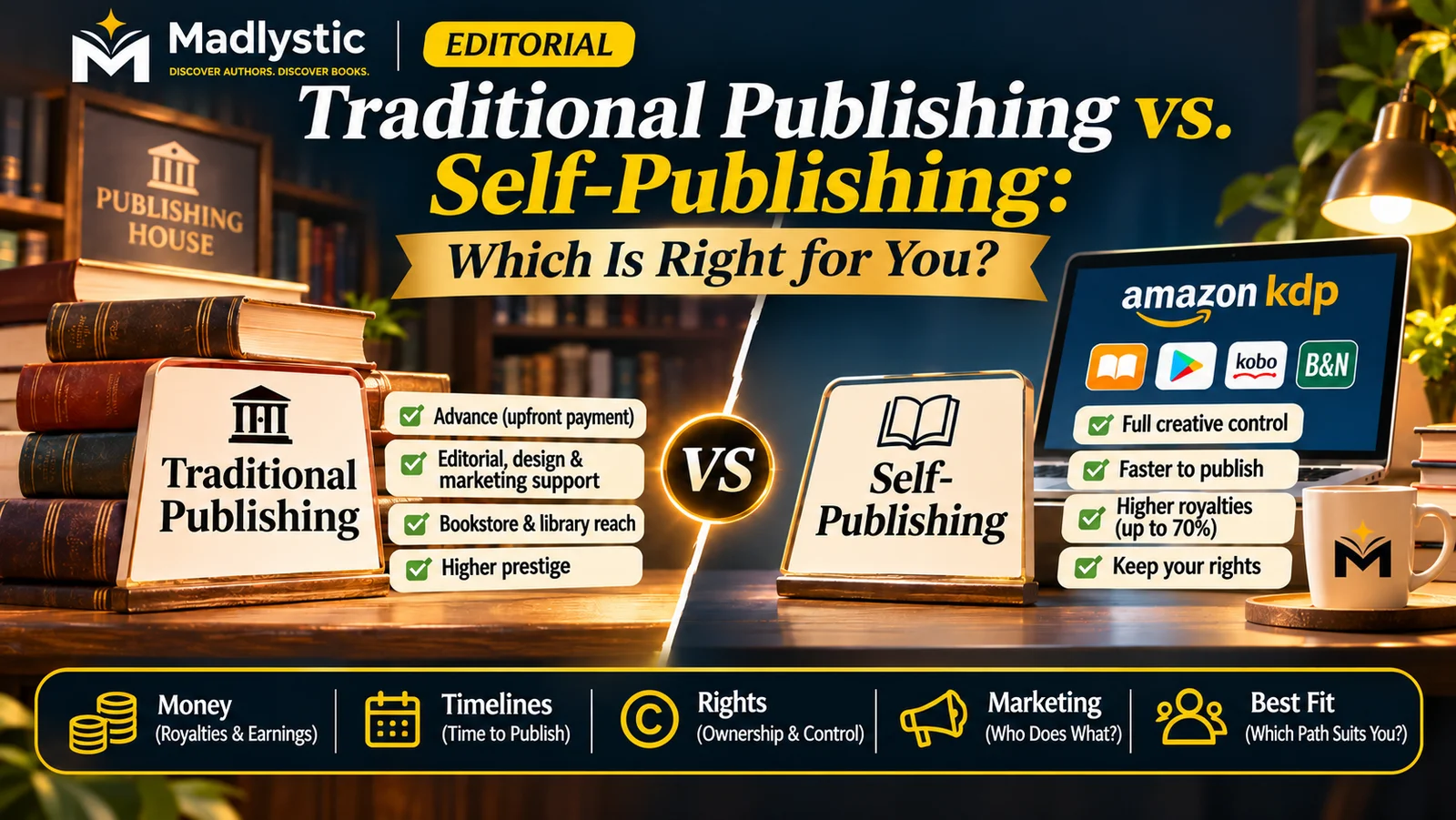
Traditional Publishing vs. Self-Publishing: Which Is Right for You?
November 24, 2026
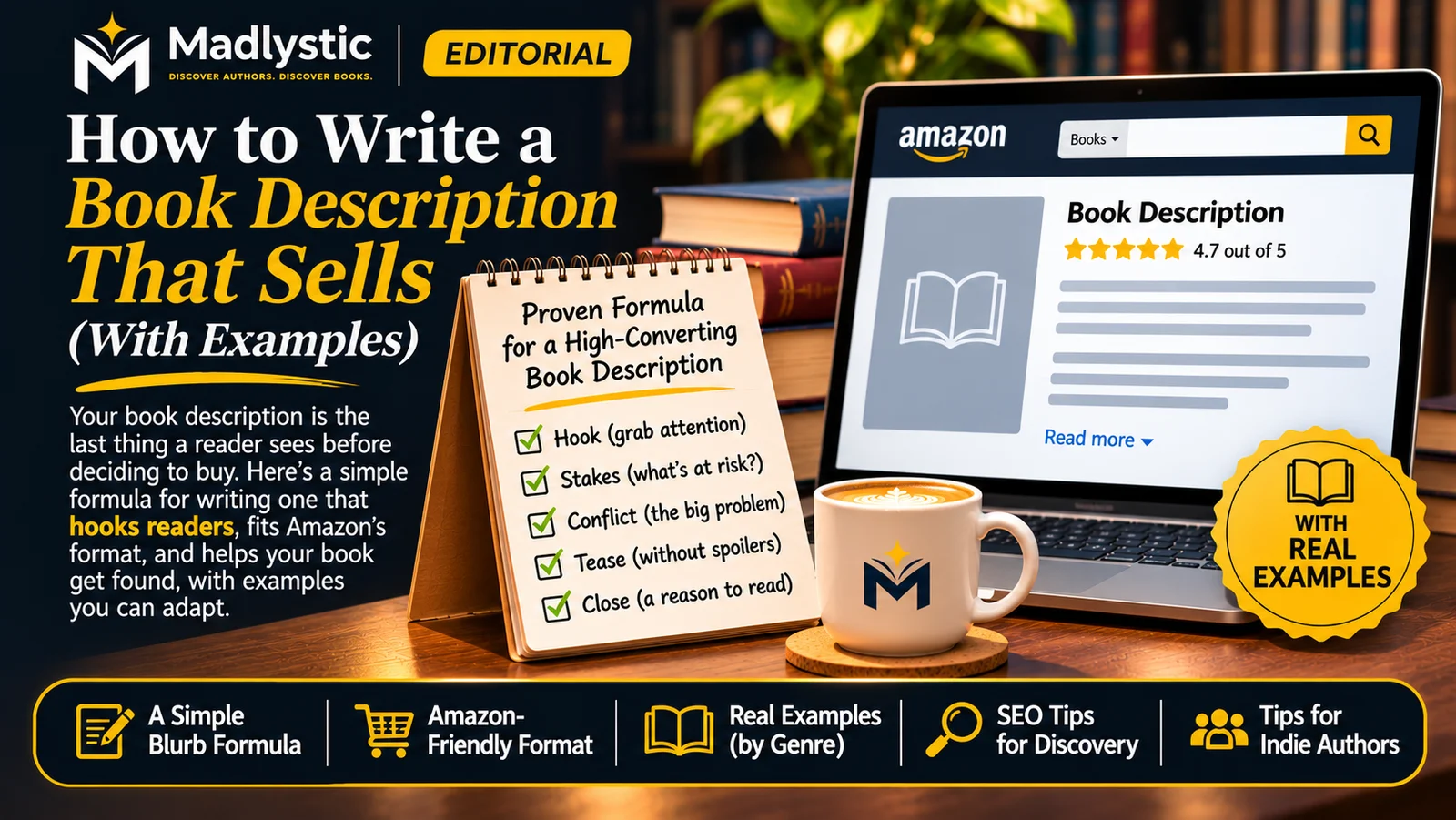
How to Write a Book Description That Sells (With Examples)
November 19, 2026
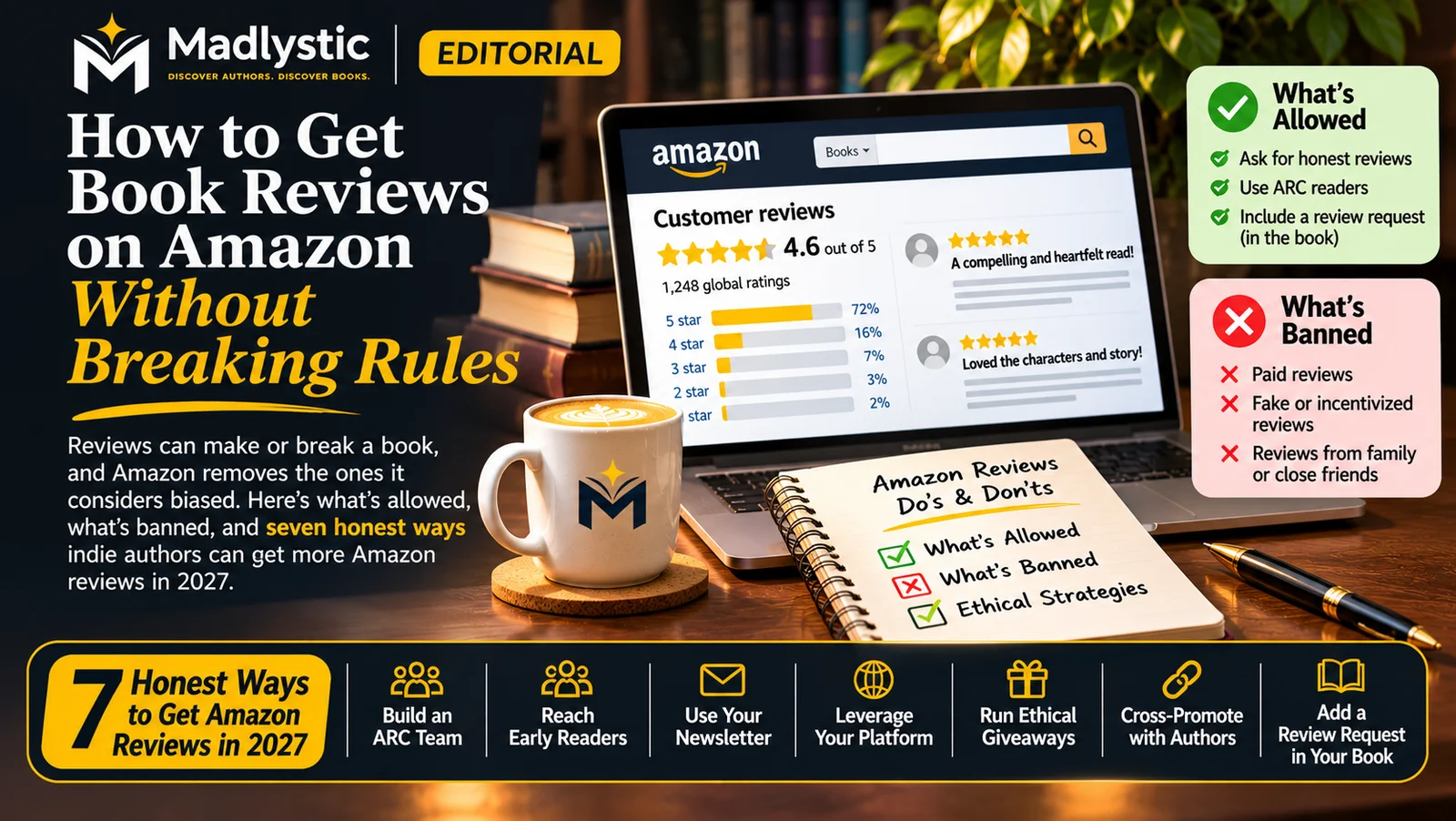
How to Get Book Reviews on Amazon Without Breaking Rules
November 17, 2026
How to Self-Publish a Book on Amazon KDP (2027 Guide)
November 15, 2026